About This Service
Build strength, develop flexibility, improve concentration, and deepen your connection between breath and movement through Ashtanga Yoga at Aarogya Sound Healing & Yogalaya in Thamel, Kathmandu.
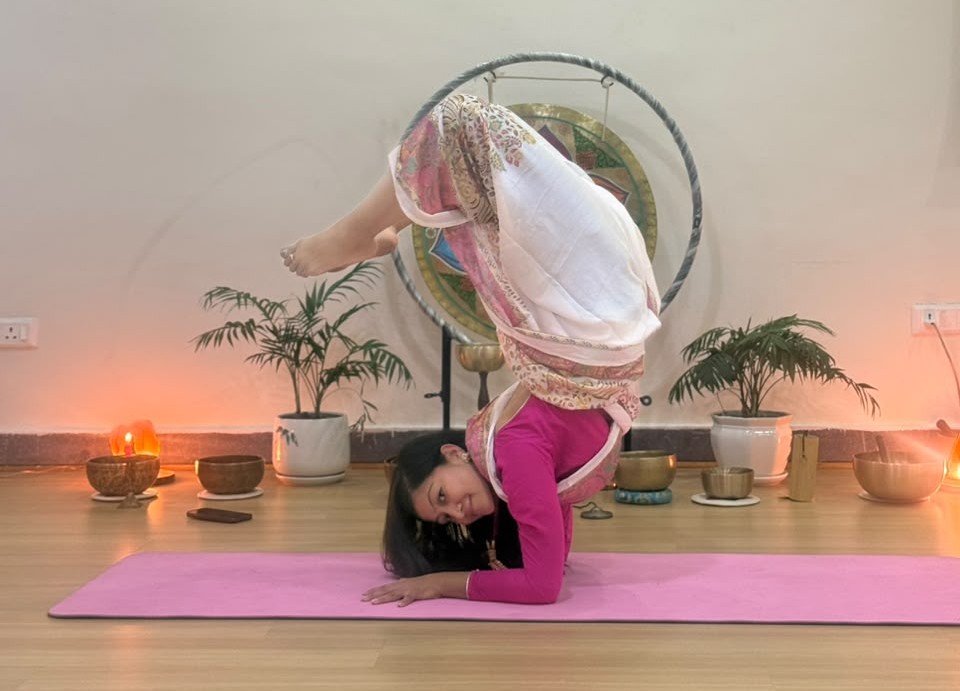
Ashtanga Yoga is a structured and physically engaging yoga practice that follows a progressive sequence of postures connected with breath and focused attention. Its disciplined approach makes it a powerful practice for developing consistency, body awareness, strength, mobility, and mental focus.
At Aarogya Sound Healing & Yogalaya, Ashtanga Yoga welcomes practitioners who want to develop a committed and mindful yoga practice while enjoying a peaceful environment in the heart of Kathmandu.
What Is Ashtanga Yoga?
Ashtanga Yoga is traditionally practiced through a set sequence of yoga postures linked together with conscious breathing. The practice emphasizes breath, movement, concentration, and consistency.
The physical practice commonly incorporates:
- Asana – yoga postures
- Breath awareness – coordinating breath with movement
- Drishti – focused gaze
- Vinyasa – flowing transitions between postures
- Mindful concentration – maintaining awareness throughout the practice
The structured nature of Ashtanga Yoga allows practitioners to gradually become familiar with the sequence and develop their practice over time.
A Practice of Strength and Discipline
Ashtanga Yoga is more than simply moving from one posture to another. It encourages discipline, patience, and regular practice.
The flowing sequences can create a physically active practice while conscious breathing and focused attention encourage mindfulness.
With consistent practice, students can gradually develop greater awareness of their movement, breathing, posture, and personal limits.
Potential Benefits of Ashtanga Yoga
A consistent Ashtanga Yoga practice may support:
- Improved strength and physical stability
- Greater flexibility and mobility
- Better balance and coordination
- Improved body awareness
- Greater concentration and focus
- Breath and movement coordination
- Stress management and mindfulness
- Development of discipline and consistency
- A deeper connection with yoga practice
Ashtanga can be physically demanding, so practitioners should work within their own abilities and practice with appropriate guidance.
Ashtanga Yoga for Beginners
You don't need to be extremely flexible or experienced to begin learning Ashtanga Yoga.
Beginners can start by learning foundational postures, breathing principles, movement patterns, and the structure of the practice. The sequence can be approached progressively according to individual ability and experience.
The goal is not to force your body into advanced postures. Instead, the practice encourages patience, consistency, and gradual development.
Ashtanga Yoga in Thamel for International Visitors
For international travelers visiting Nepal, practicing yoga in Kathmandu can be a meaningful way to connect with the country's rich yoga and meditation culture.
Located in Thamel, Aarogya Sound Healing & Yogalaya provides a convenient space for travelers looking for yoga classes during their stay in Kathmandu.
An Ashtanga Yoga session can be a valuable addition to your Nepal itinerary:
- Before or after a Himalayan trek
- During a Kathmandu city stay
- As part of a wellness-focused Nepal journey
- While maintaining your regular yoga practice during travel
- When looking for yoga classes in Thamel
- For visitors interested in traditional yoga practices
Ashtanga Yoga and Sound Healing
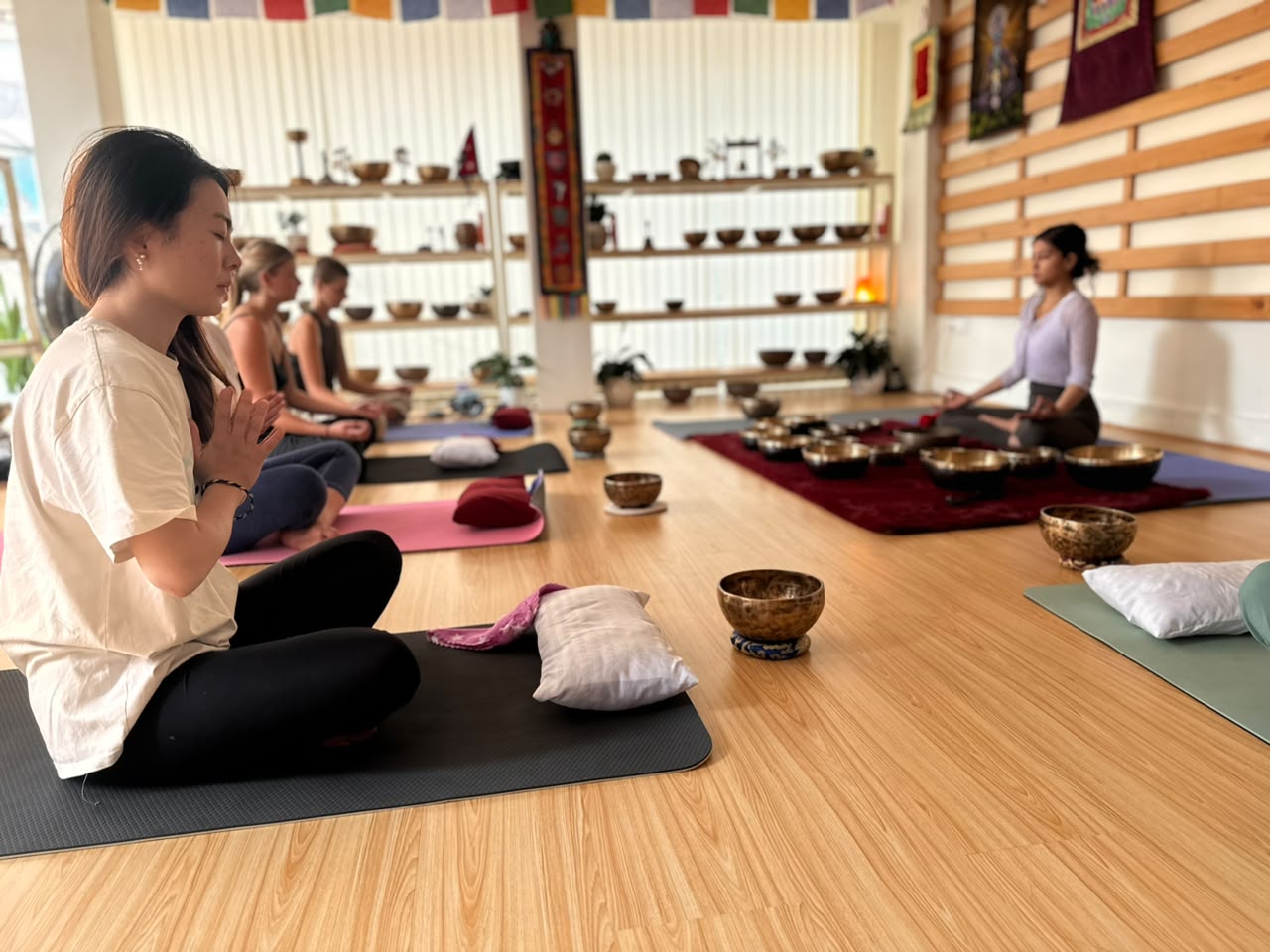
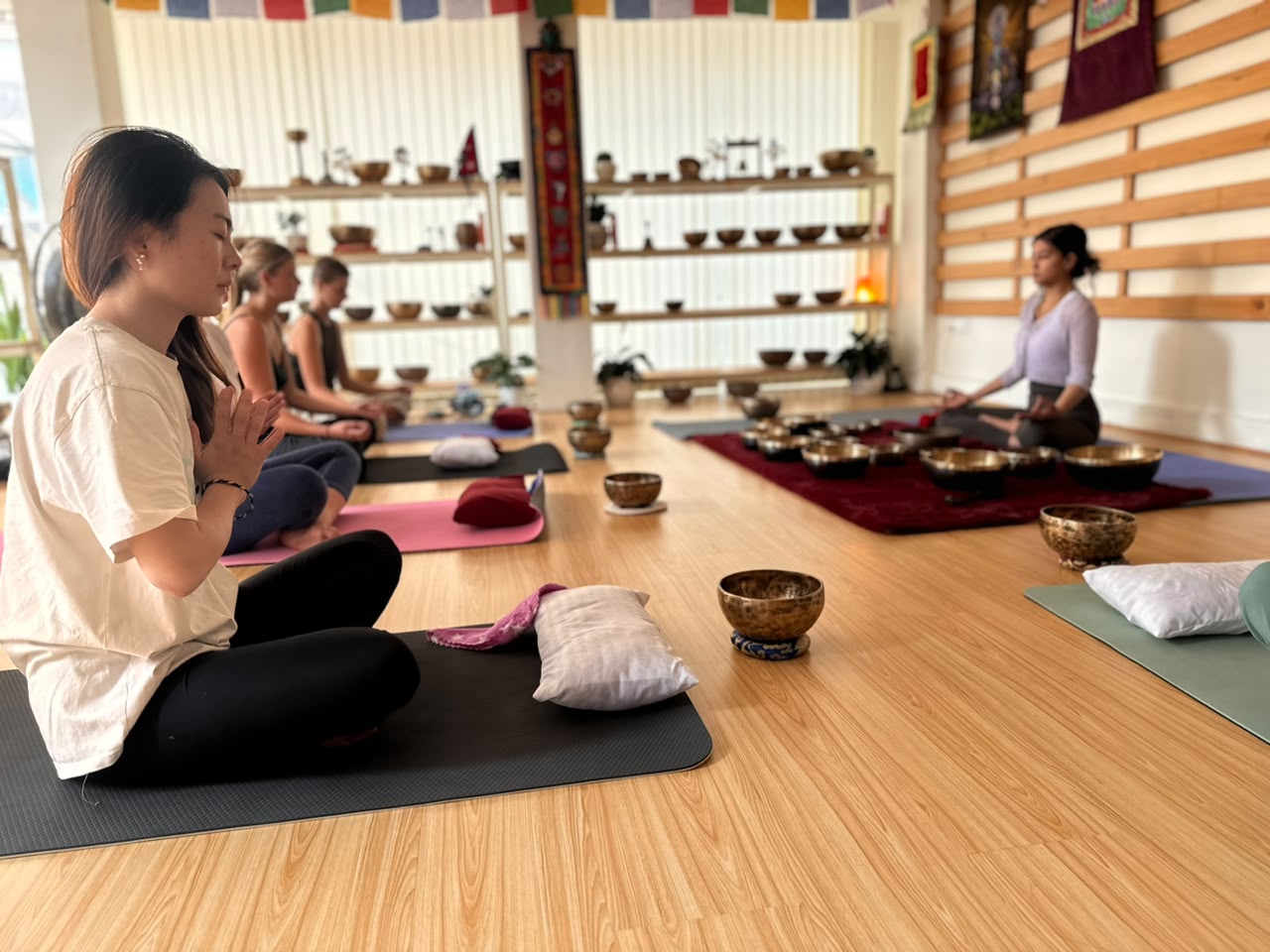
Aarogya Sound Healing & Yogalaya offers both yoga and sound-based wellness practices.
After an active Ashtanga practice, a period of relaxation accompanied by Himalayan Singing Bowls can provide a peaceful transition from physical movement to stillness.
The combination of disciplined yoga practice and calming sound can create a balanced wellness experience for both body and mind.
Why Practice at Aarogya?
Our approach focuses on creating a welcoming environment where practitioners can develop their yoga practice with awareness and respect for individual ability.
Whether you are a local practitioner or visiting Kathmandu from another country, you can make time for movement, breath, concentration, and mindful practice.